





The Growing Value of Sharing Accurate, High Quality Energy Data
With data, more really is merrier.
More data leads to better statistical confidence and stronger intelligence. In the past, the amount of useful data was limited by human capacity because there were only so many hours in the day. Artificial intelligence has changed that completely. AI can now learn from billions of data points without collapsing, which opens new doors for the energy industry.
Historically, suppliers have viewed data as something to guard because of its intrinsic value. That mindset is shifting. More suppliers now recognize that opening up data to the wider industry and to consumers can benefit everyone.
Why Smarter Usage Data Is Key to a More Resilient Energy System
Ofgem is pushing this forward, especially through Market-wide Half Hourly Settlement (MHHS). The goal is to give consumers usage information so they understand what they use and when they use it. This transparency should encourage more people to adopt flexible deals.
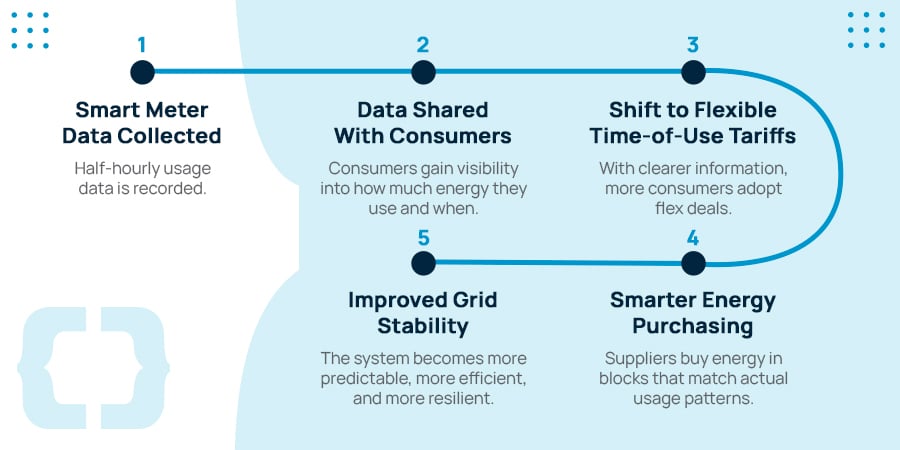
If more customers move to flex tariffs, suppliers can better align energy purchasing with actual usage patterns. When combined with the growth of renewable energy, this makes the grid more stable, more predictable, and easier to manage.
This shift also encourages more consumers to self-generate energy and use modern battery storage to offset consumption. These behaviors reduce strain on the grid and lower overall energy costs because the industry does not need to source as much energy externally.
The Role of Consent in Safe and Transparent Energy Data Access
Greater data access means consumers can check whether they are on the right tariff and adjust when they use energy to reduce costs. Today, consumers are comfortable sharing their MPAN or MPR when exploring new tariffs, but that information does not include actual usage data. Usage data is personal, and mishandling it would raise concerns under GDPR and other regulations.
A strong approach is needed to keep things safe and clear. One solution is a Consent Wallet. When consumers want their data for their own review or to share with suppliers, brokers, or comparison sites, they would simply provide consent through the Wallet. This eliminates confusion and protects every party involved.
The energy sector can learn from the banks, which introduced open banking in a similar way. Ofgem supports this model and aims to deliver Consent Wallets through the Retail Energy Code by the end of 2026. Success depends on ensuring the system works for consumers, suppliers, and brokers and that switching and renewals remain easy.
How to Open Up Energy Data Without Compromising Protection
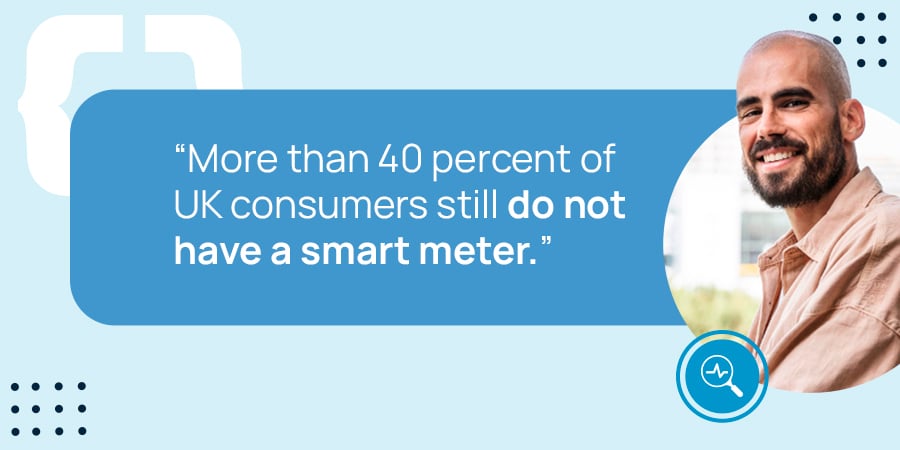
Opening up usage data requires robust technology that keeps information secure while making it available when needed. There will be a learning curve for consumers, who will need to understand that they must give consent before a broker or supplier can act on their behalf. That education will take time. More than 40 percent of UK consumers still do not have smart meters despite more than a decade of awareness campaigns.
Even so, a controlled approach to consent is still far better than making usage data available to anyone without permission. Automatic access might streamline the customer journey, but it would almost certainly violate data protection regulations. That would be a step too far.
The Long Term Benefits of Smarter, Shared Energy Data
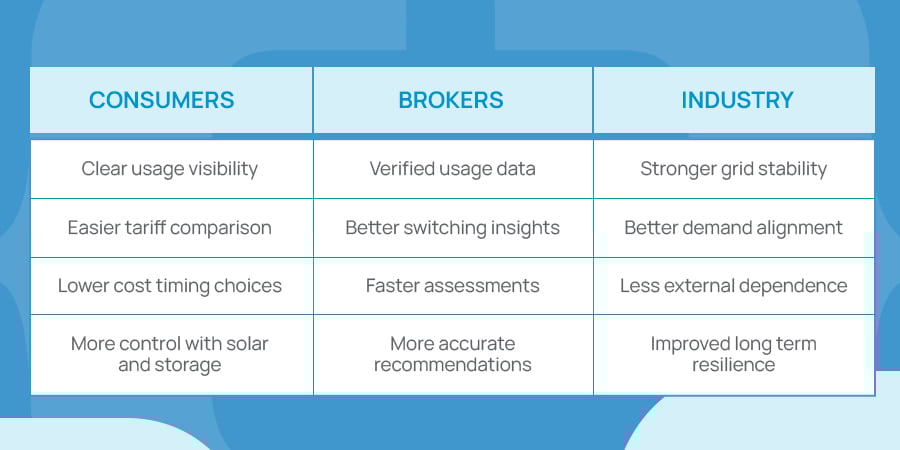
As long as the data is clean, having more of it will always lead to more diverse, accurate, and reliable learnings. Making energy data accessible will multiply its value for consumers, brokers, suppliers, and the wider industry.
Consumers will make better decisions about tariffs and energy usage. Brokers will deliver stronger insights. Suppliers will build a more efficient and resilient grid. The industry becomes less dependent on external factors and better prepared for the future.
Opening up the growing data landscape will help protect our national energy future while giving consumers more control at a time when they need it most.
Get Ahead of the Market Shift With Stronger Data Intelligence
This next phase of the energy market will reward companies that can interpret data quickly, manage it responsibly, and act on it with confidence. Sales360 gives suppliers and brokers the tools they need to do all three. If you want to understand how the platform supports better forecasting, faster handoffs, and clearer customer insights, you can book a Sales360 demo with POWWR to see it in action.

Share this

2026: The Year of Flex Deals & the Rise of the Green Energy Ecosystem
%20(2).png?width=900&height=450&name=Untitled%20(900%20%C3%97%20450%20px)%20(2).png)
Sales360: Energy Software To Help Condense Efforts and Win More Deals